
Engineering7 min read
How to Write Documents That AI Can Actually Understand (With Before/After Examples)
Everyone obsesses over prompts. The pros optimize their documents. Here's what actually moves the needle.

Rosh Jayawardena
Practical AI
Practical writing on workflows, adoption, implementation tradeoffs, and what actually changes output.
Archive
Page 2 of the latest Onsomble writing.
Everyone obsesses over prompts. The pros optimize their documents. Here's what actually moves the needle.

The consulting industry's biggest shift isn't happening at McKinsey or BCG. It's happening in home offices and co-working spaces, where independent consultants are using AI to punch above their weight.
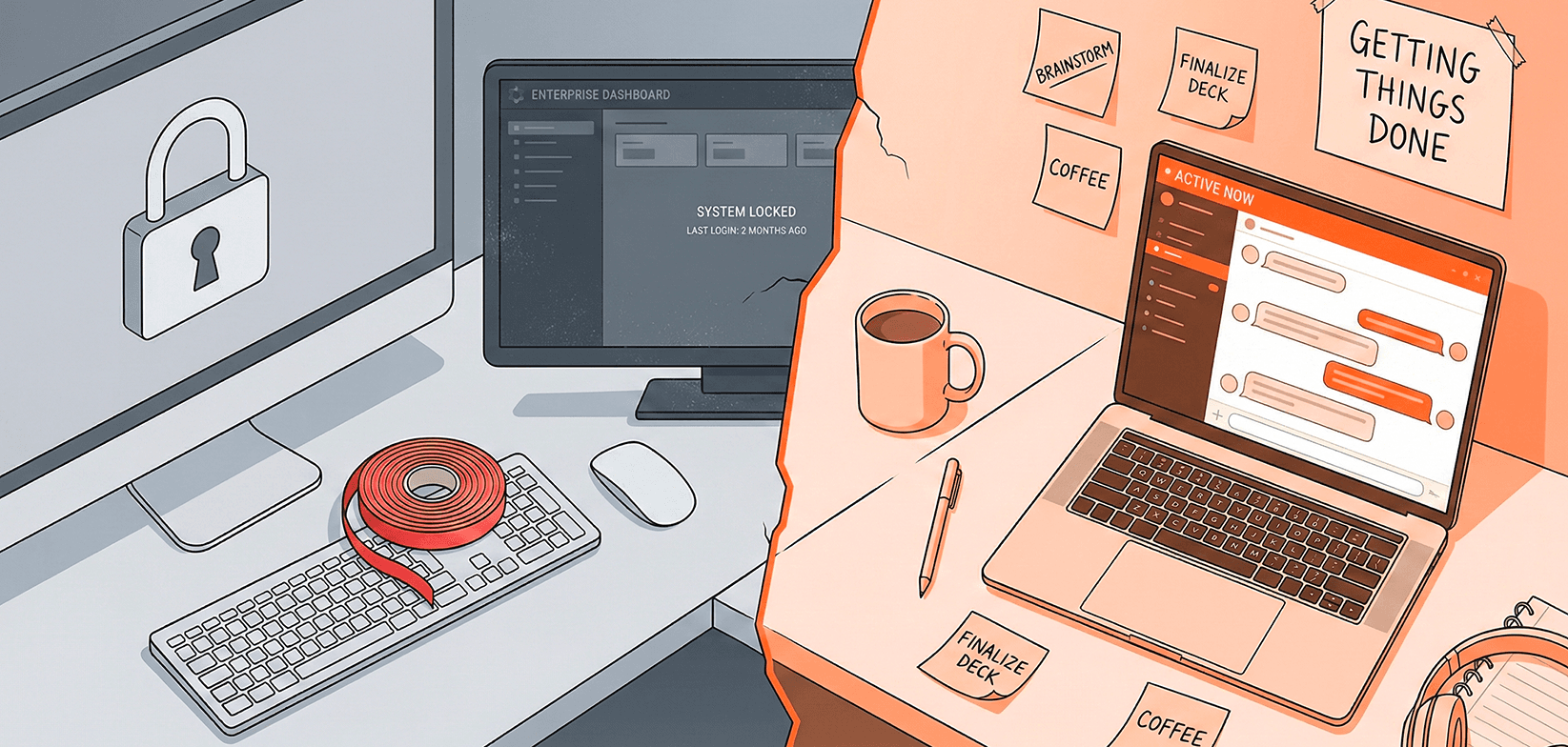
Enterprise AI has a 5% success rate. Consumer tools hit 40%. No wonder employees are going rogue.
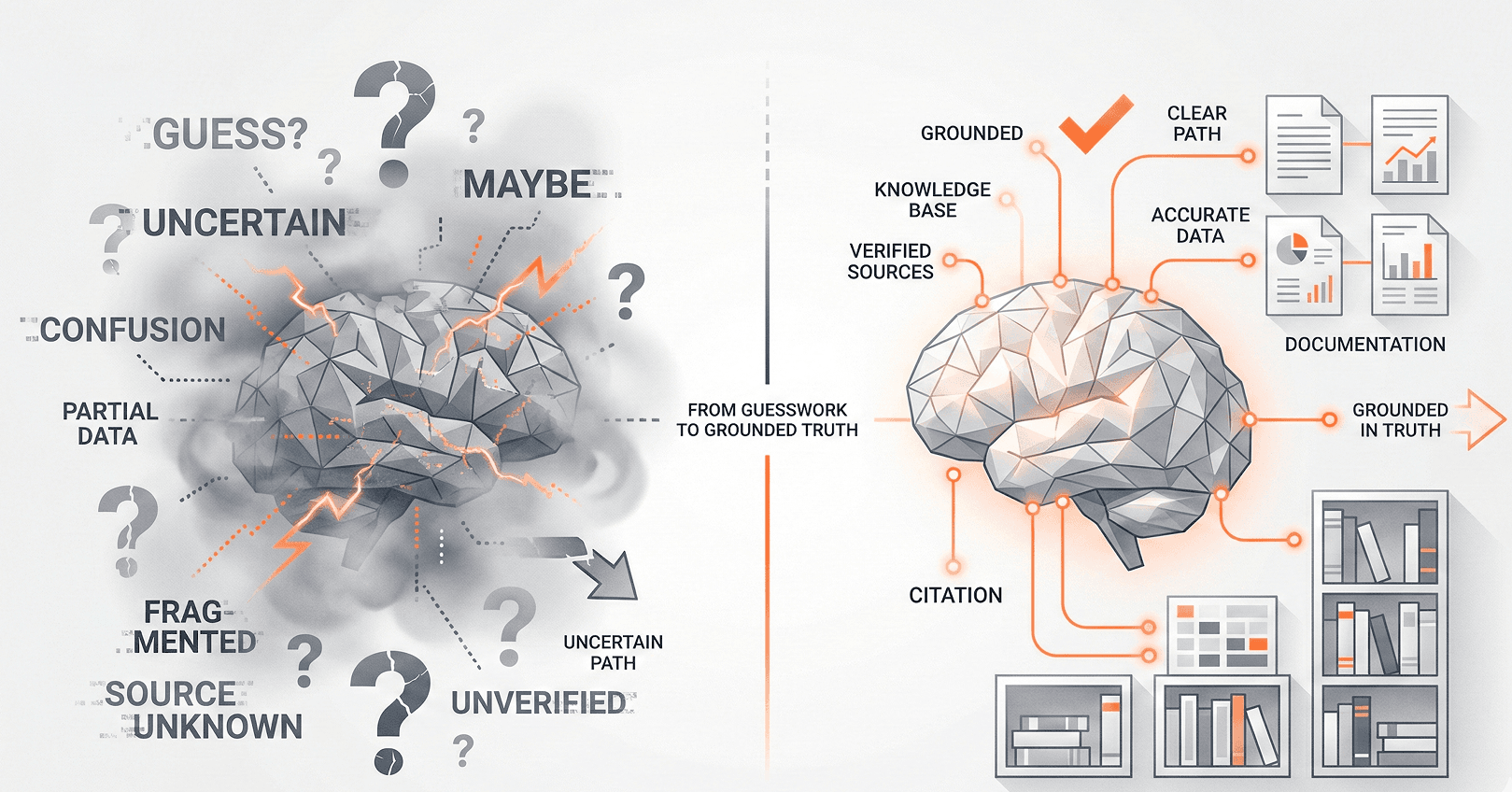
AI models invent facts because they're guessing, not looking things up. There's a fix — and it's the difference between an AI with amnesia and one with a library card.
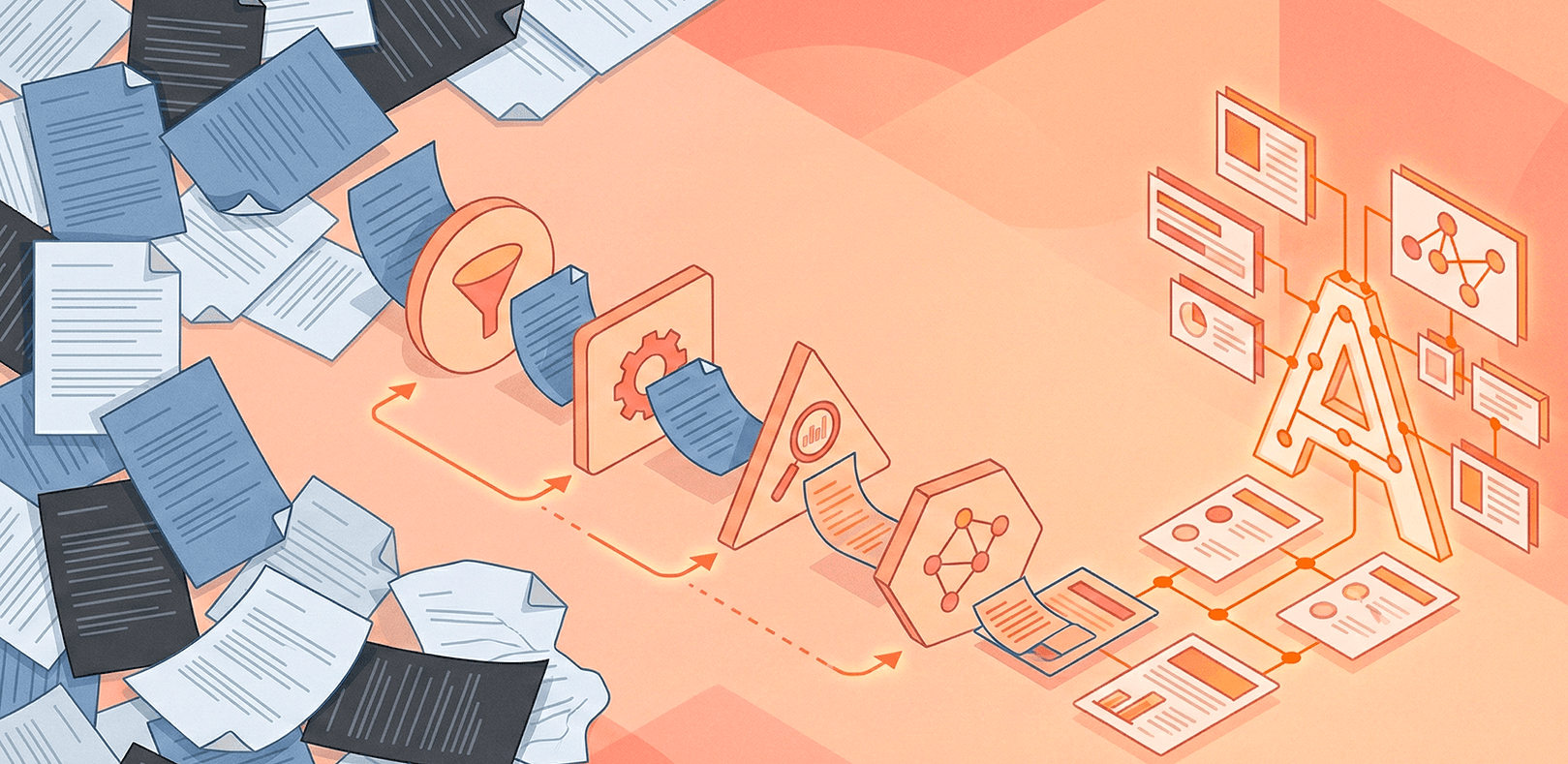
RAG isn't magic — it's a four-step system. Here's how documents become answers, explained without code.
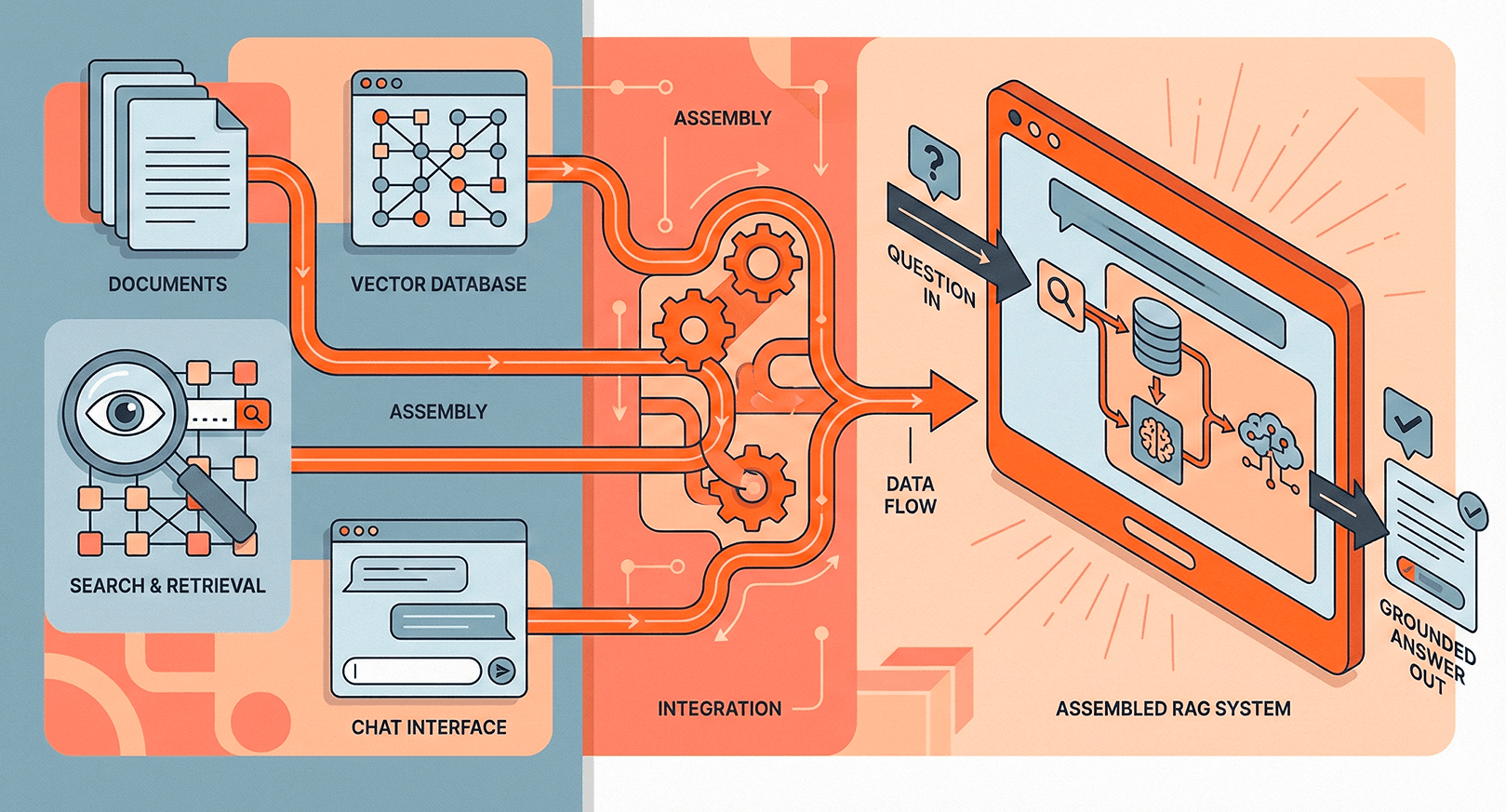
Most RAG tutorials skip the hard parts. This one doesn't — here's how to actually ship a working system.

Most RAG tutorials stop at "it works." This one shows you how to make it work well.
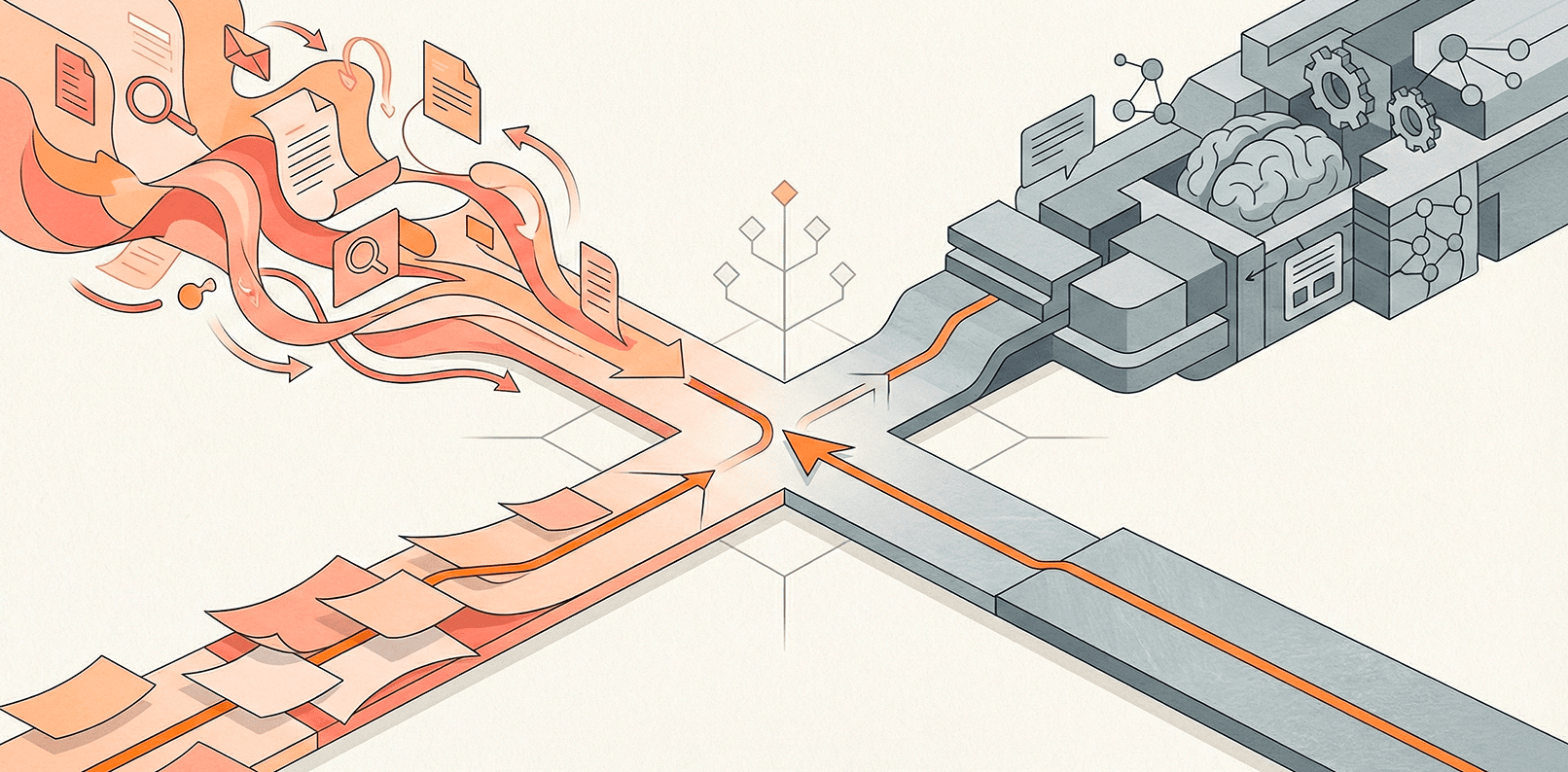
RAG and fine-tuning solve different problems. Here's how to decide which one your project actually needs.
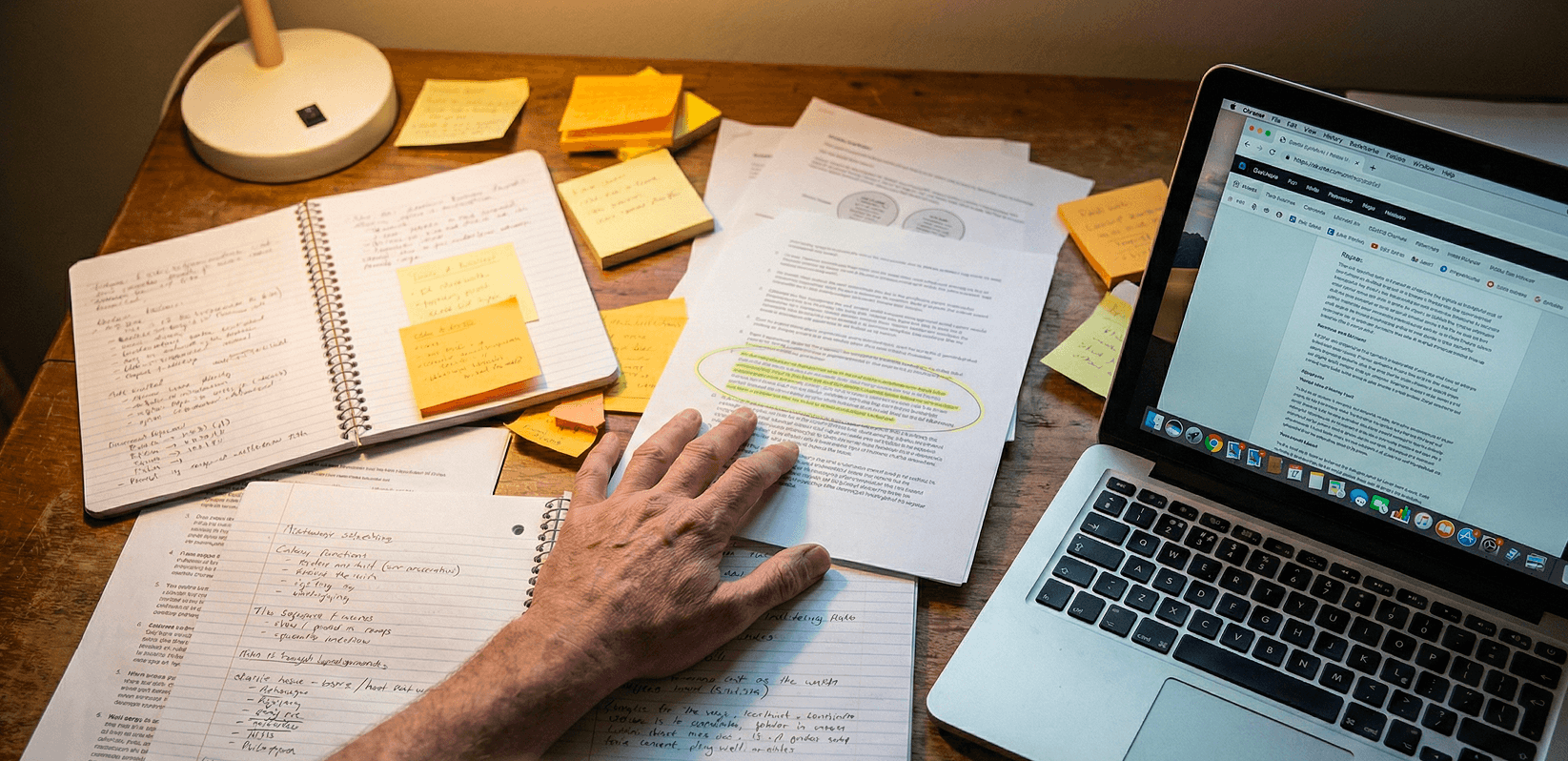
Your knowledge is scattered across a dozen tools, and none of them talk to each other. The AI tools are supposed to help, but they forget everything the moment you close the tab.

We are seeing a shift from AI that chats to AI that acts. This week, we look at 5 open-source projects redefining the build—from autonomous coding agents to infinite video generation.
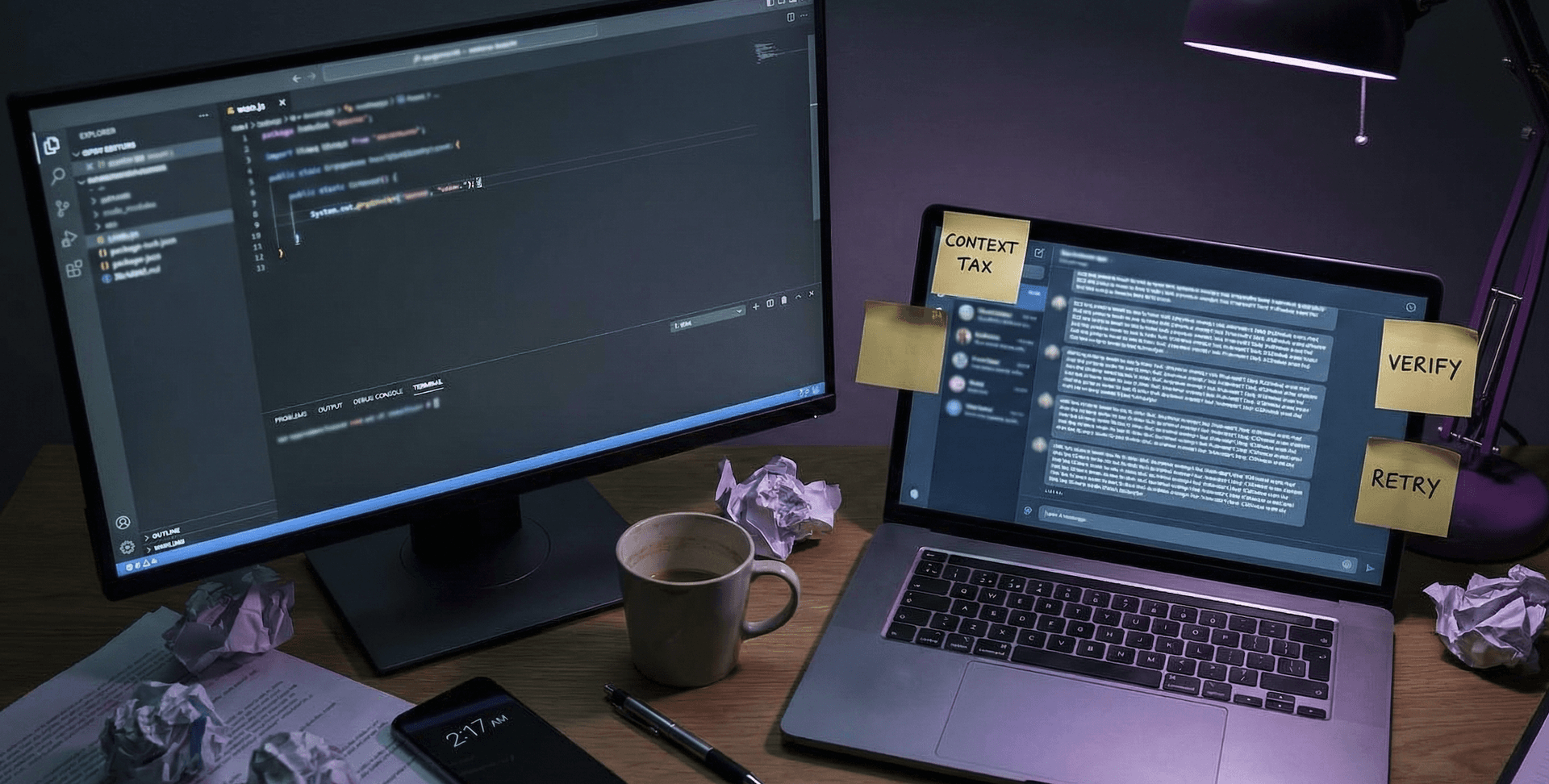
A founder’s honest take on why AI can slow experienced developers down (METR found a 19% slowdown), why it feels faster, and the three techniques—prompt engineering, context engineering, and workflow engineering—that actually improved my output.