Perplexity
Perplexity is an AI-native answer engine that always cites its sources — built from the ground up around web search and inline citations, rather than retrofitting a chat product to add browsing.
Why it matters
Perplexity converts at substantially higher rates than other AI search products (Semrush data) because its UX is built around source citations users actually click. For brands, being cited in Perplexity is directly traffic-positive in a way mention-only ChatGPT/Gemini citations are not.
What it is
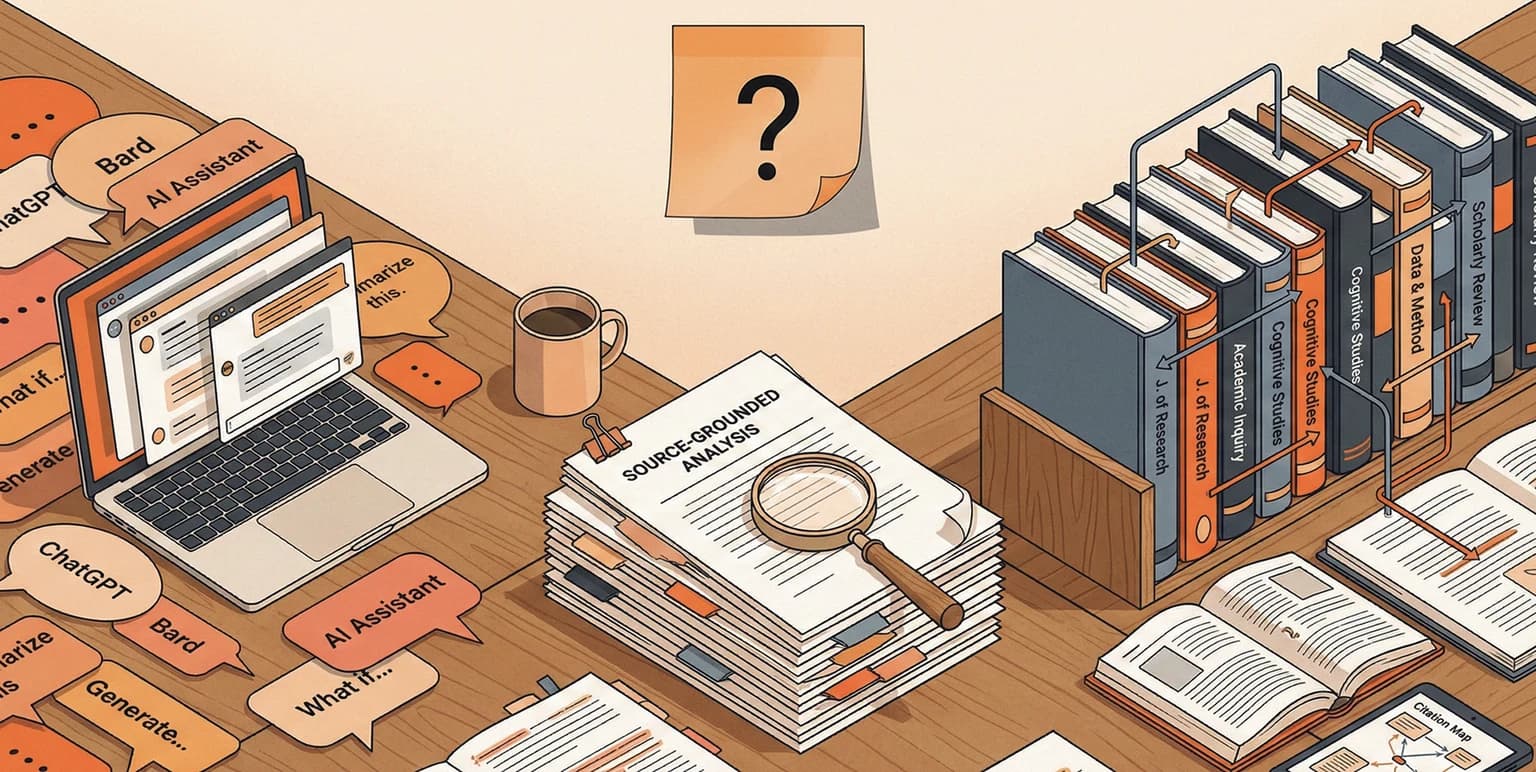
Perplexity is an AI search company founded in 2022. Its product synthesises answers from live web results and includes inline numeric citations linking back to source pages. Models under the hood are a rotation of foundation models from OpenAI, Anthropic, and others — Perplexity is a search and synthesis layer, not a model lab.
What makes it different
- Citation-first UX — every answer shows numbered sources inline. Users click them.
- Focus modes — search restricted to academic papers, Reddit, YouTube, etc.
- Pro Search — multi-step iterative search for complex questions.
- Spaces — collections of sources for repeat research.
Why AEO leverage is high
Because Perplexity surfaces sources prominently and users click them, citations in Perplexity convert to traffic. Semrush research found AI search visitors convert at 4.4× the rate of organic search visitors, with ChatGPT and Perplexity leading conversion. For brands, that means Perplexity citations are directly revenue-positive — not just brand-impression positive.
How to be cited
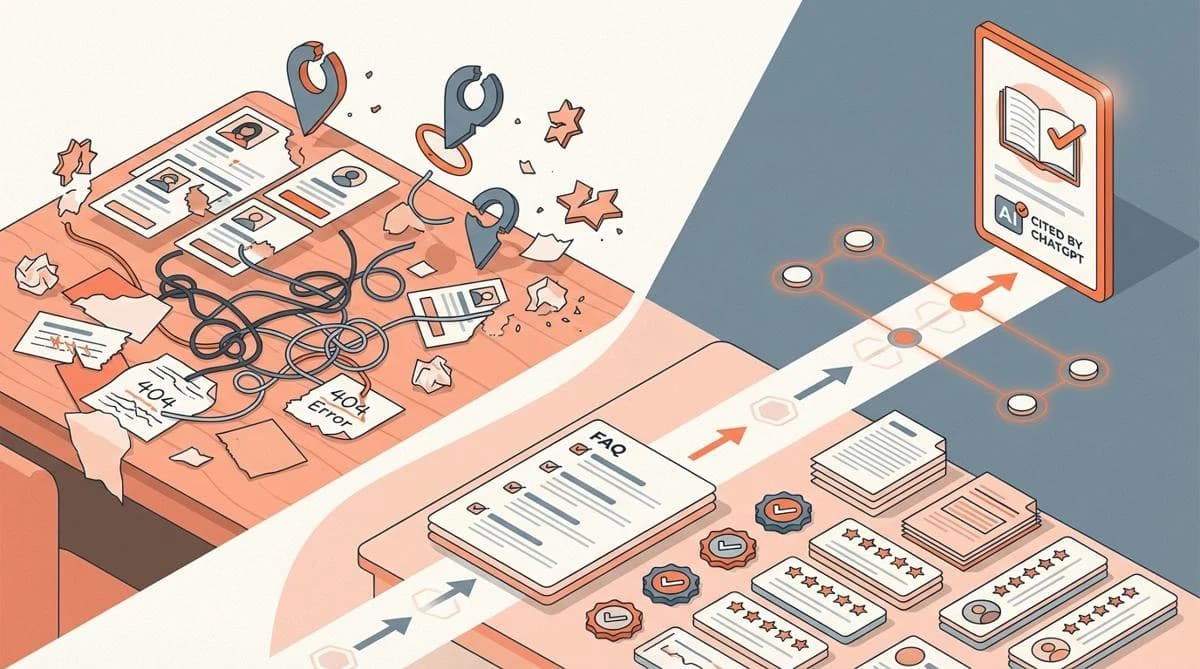
Perplexity favours authoritative third-party sources over brand-owned pages. Industry publications, review aggregators, Wikipedia, and well-cited research papers feed its results disproportionately. AEO work for Perplexity often looks more like PR and earned-media strategy than on-site SEO.
Related terms